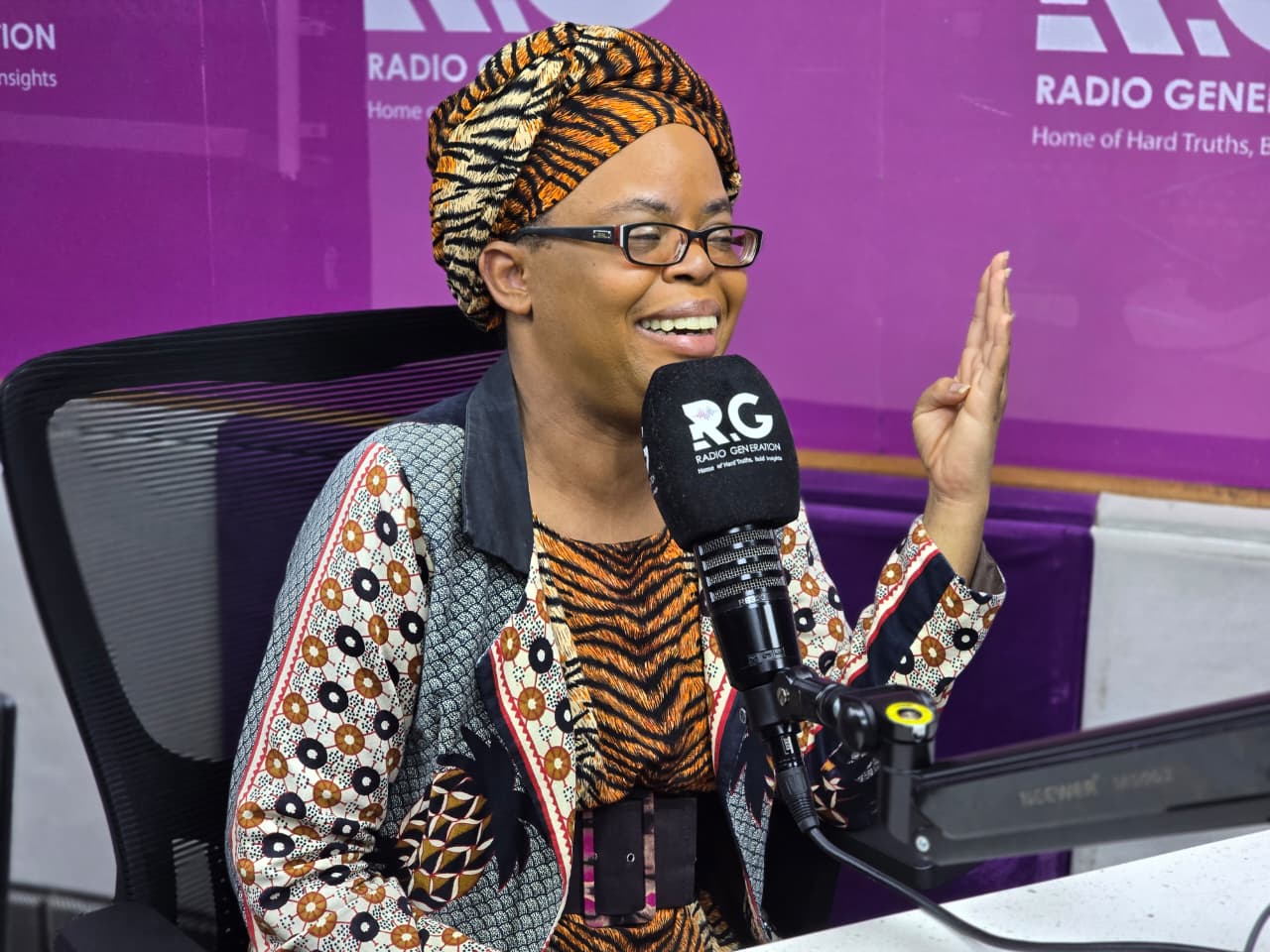
Kenya may be thousands of kilometres away from the battlefields of Eastern Europe, but the effects of the Russia-Ukraine war are being felt much closer to home. An international relations expert, Fiona Ngarachu, says the conflict has exposed how tightly connected the world has become, warning that global crises quickly spill over into Kenya’s economy, security and foreign policy choices.
Speaking on Radio Generation on Wednesday, Ngarachu dismissed the belief that wars in distant regions do not concern Africa. “The global is now the local,” she said, explaining that globalization has tied together economies, politics and security systems across continents.
She said the Russia-Ukraine war clearly shows how events in one part of the world can disrupt food supply, fuel costs and trade patterns in another. “Anything that’s happening in the world has a potential impact on Kenya,” she said, pointing to the shock in global wheat exports that led to shortages and rising prices.
Ngarachu noted that many people did not expect the conflict to affect African countries so directly. “You wouldn’t think something happening like that would affect another country,” she added, describing how supply chains connect producers and consumers across borders.
She pointed to the spike in global fuel and wheat prices after the war broke out. “We saw a surge in oil prices, as such, in prices of wheat,” she said. She stressed that Ukraine plays a central role in global food supply, stating, “Ukraine contributes 40% of global wheat.”
Beyond trade and prices, she warned that the conflict has also created security risks. Ngarachu said there have been reports of Africans being lured with job offers in Russia, only to end up fighting in the war.
“We have people aligned with Russia and Russian agents recruiting Kenyans, offering them jobs in Russia,” she said. “You’re told to sign a contract in Russia, and you’re sent to the front line.”
According to her, the war has intensified competition among global powers seeking allies in Africa. “Africa has become one of the strategic areas of the world,” she said, noting the continent’s voting strength at the United Nations. “We are 54 countries, so we have become quite important in this global world as a continent,” she added.
Ngarachu said geography plays a major role in shaping these global interests. She described Kenya as strategically located in East Africa, near the Horn of Africa, the Middle East and key sea routes used for international trade.
“Geography is very important in politics,” she said. “Your geography can determine whether you’re an ally or whether you’re successful.”
She argued that Kenya’s position has long made it an attractive partner for Western nations. “Kenya was the bulwark for America,” she said, referring to past political alignments in the region when neighbouring countries followed different systems during the Cold War.
She added that Kenya’s record of relative stability has strengthened its value in global diplomacy. “We’ve been the most stable democracy in the Horn of Africa,” she said.
The expert also linked Kenya’s importance to its trade routes and infrastructure, especially its access to the sea. “We also have a port. We are very strategic,” she said, pointing out that Kenya borders Uganda, Tanzania, Somalia and Ethiopia, which boosts its regional influence.
She further observed that Middle Eastern countries have shown growing interest in East Africa. “Iran has been making overtures to East Africa,” she said, citing rising diplomatic engagement in the region.
Trade, she added, offers another clear example of global links. Kenya’s tea exports are largely destined for markets in the Middle East. “We export a lot of our tea,” she said. “Our majority tea is exported to the Middle East, Yemen, Saudi Arabia.”
She explained that goods often pass through several markets before reaching final buyers, showing how complex global supply networks have become.
In her closing remarks, Ngarachu said the Russia-Ukraine conflict serves as a clear lesson that no country stands alone in today’s world. “Anything that’s happening in the world has a potential impact on Kenya,” she said.